
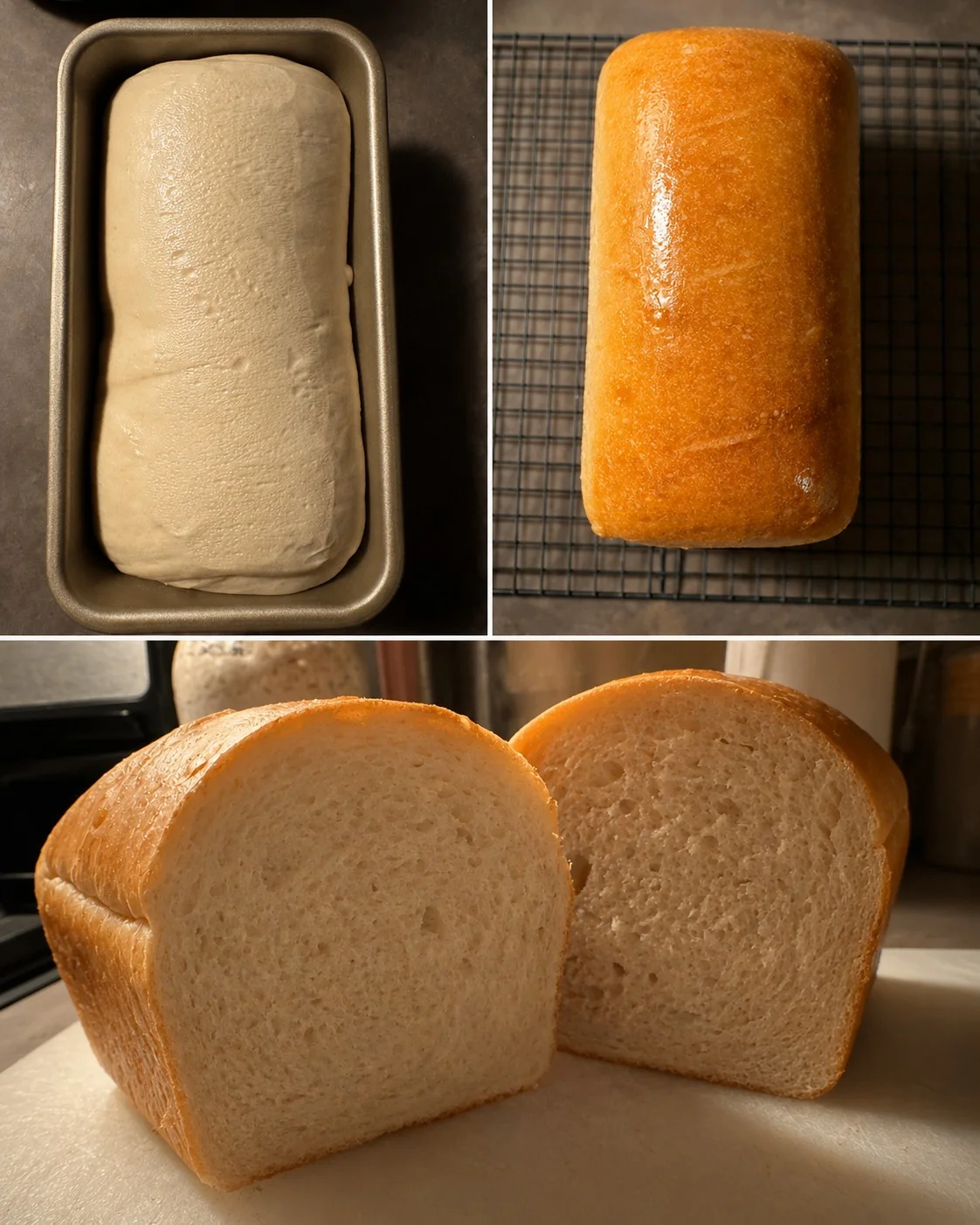
Soft & Fluffy Homemade Sandwich Bread Recipe – Better Than Store-Bought!
There’s something incredibly comforting about baking your own bread at home. The aroma of fresh bread filling the kitchen, the golden crust straight from the oven, and the soft, fluffy slices waiting to be enjoyed make homemade bread one of life’s simplest pleasures. This Soft & Fluffy Homemade Sandwich Bread recipe is perfect for anyone who loves fresh bread but wants an easy recipe that delivers bakery-quality results.
Whether you’re making sandwiches for lunch, toast for breakfast, or simply enjoying a warm slice with butter, this bread is guaranteed to become a family favorite. Unlike many store-bought loaves that contain preservatives and additives, this homemade bread uses simple ingredients and delivers a rich, buttery flavor with an incredibly soft texture.
Why You’ll Love This Homemade Sandwich Bread
There are countless bread recipes available, but this one stands out because it creates a loaf that is light, fluffy, and perfect for everyday use.
Reasons you’ll love this recipe:
- Soft and pillowy texture
- Easy for beginner bakers
- Uses simple pantry ingredients
- Perfect for sandwiches and toast
- Freezes beautifully
- Stays fresh for several days
- No preservatives or artificial ingredients
Once you experience the taste of homemade sandwich bread, you’ll understand why so many home bakers never go back to store-bought loaves.
Ingredients
For the Bread Dough
- 4 cups bread flour
- 1 cup warm milk
- ½ cup warm water
- 2¼ teaspoons instant yeast
- 2 tablespoons sugar
- 1 teaspoon salt
- 3 tablespoons unsalted butter, softened
- 1 large egg
For Finishing
- 1 tablespoon melted butter
Understanding the Ingredients
Bread Flour
Bread flour contains more protein than all-purpose flour, which helps develop gluten and creates a softer, chewier texture. If bread flour isn’t available, all-purpose flour can still produce excellent results.
Yeast
Yeast is responsible for making the bread rise. Instant yeast works quickly and is ideal for beginners.
Milk
Milk contributes richness and helps create a tender crumb. It also improves the bread’s flavor and shelf life.
Butter
Butter adds moisture and creates the soft texture that makes sandwich bread so delicious.
Sugar
A small amount of sugar feeds the yeast and adds a subtle sweetness.
Step-by-Step Instructions
Step 1: Activate the Yeast
In a large mixing bowl, combine the warm milk, warm water, sugar, and yeast.
Allow the mixture to sit for 5 to 10 minutes. The yeast should become foamy and bubbly, indicating that it is active.
Step 2: Mix the Dough
Add the egg, softened butter, and salt to the yeast mixture.
Gradually add the flour while mixing until a rough dough begins to form.
Step 3: Knead the Dough
Transfer the dough to a lightly floured surface.
Knead for approximately 8 to 10 minutes until the dough becomes smooth, elastic, and slightly tacky.
Proper kneading develops gluten, which gives bread its structure and soft texture.
Step 4: First Rise
Place the dough in a lightly greased bowl.
Cover with plastic wrap or a clean kitchen towel.
Allow it to rise in a warm location for 1 to 1½ hours or until doubled in size.
Step 5: Shape the Loaf
Once risen, gently press down the dough to release excess air.
Shape it into a rectangle, then roll it tightly into a loaf shape.
Place the loaf seam-side down into a greased loaf pan.
Step 6: Second Rise
Cover the loaf pan loosely.
Allow the dough to rise again for 40 to 50 minutes.
The dough should rise slightly above the rim of the pan.
Step 7: Bake
Preheat the oven to 350°F (175°C).
Bake the bread for 30 to 35 minutes or until the top becomes beautifully golden brown.
The loaf should sound hollow when tapped on the bottom.
Step 8: Brush with Butter
Immediately after removing the loaf from the oven, brush the top with melted butter.
This creates a shiny, soft crust and adds extra flavor.
Step 9: Cool Before Slicing
Transfer the bread to a wire rack.
Allow it to cool completely before slicing to preserve its soft texture.
Tips for Perfect Sandwich Bread
Use Proper Water Temperature
Warm liquids should be around 100°F–110°F (38°C–43°C).
Liquids that are too hot can kill the yeast.
Don’t Add Too Much Flour
Many bakers add excess flour during kneading. This can result in dense bread.
The dough should feel soft and slightly tacky.
Be Patient During Rising
Proper rising time is essential for fluffy bread.
Allow the dough to double in size naturally.
Avoid Overbaking
Overbaking can dry out the loaf.
Remove it once the crust is golden brown and the internal temperature reaches about 190°F (88°C).
Serving Ideas
This versatile bread can be used in countless ways.
Breakfast Toast
Toast a slice and spread it with butter, jam, or honey.
Sandwiches
Perfect for:
- Turkey sandwiches
- Grilled cheese
- Chicken sandwiches
- Peanut butter and jelly
French Toast
Its soft texture makes it ideal for homemade French toast.
Garlic Bread
Spread slices with garlic butter and toast until golden.
Storage Instructions
Room Temperature
Store in an airtight container or bread bag for up to 4 days.
Refrigerator
Refrigeration is generally not recommended because it can dry out the bread.
Freezer
Slice the loaf and freeze individual portions.
Store in freezer-safe bags for up to 2 months.
Simply thaw slices as needed.
Common Bread-Making Mistakes
Dense Bread
Usually caused by too much flour or insufficient rising.
Bread Doesn’t Rise
Often due to expired yeast or liquids that were too hot.
Tough Crust
Can result from overbaking or not brushing with butter after baking.
Uneven Texture
Usually caused by inadequate kneading.
Final Thoughts
Homemade sandwich bread is one of the most rewarding things you can bake. With its golden crust, soft interior, and rich buttery flavor, this loaf is perfect for everyday meals and special occasions alike. The recipe is simple enough for beginners yet produces professional-quality results that rival any bakery.
Once you experience the taste and texture of freshly baked homemade bread, you’ll understand why so many people fall in love with bread making. Serve it warm with butter, use it for your favorite sandwiches, or enjoy it toasted for breakfast. No matter how you serve it, this soft and fluffy sandwich bread is sure to become a staple in your kitchen. 🍞✨
